When you slip on a buttery-soft Lululemon leggings or a sleek Alo yoga top, what makes it feel “premium”? Beyond fabric, the construction techniques—stitching, bonding, and laser cutting—are the unsung heroes of activewear design. This guide breaks down how these methods differ, which brands use them, and why they matter for fit, function, and price.
- Stitching vs. Bonding: What’s the Difference?
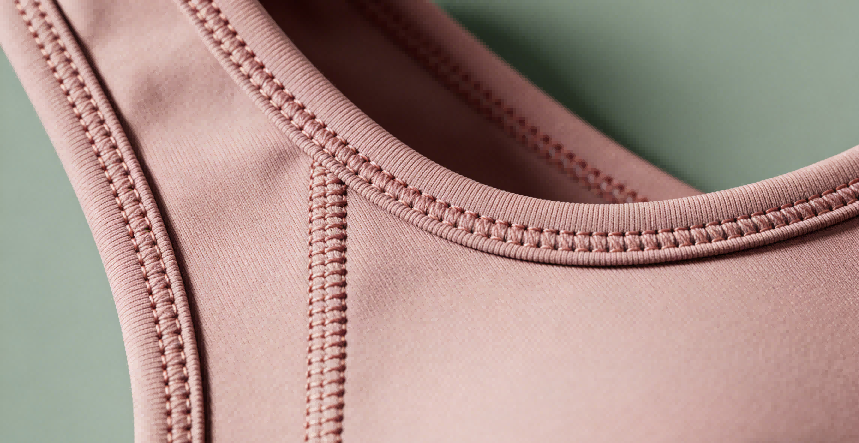
Flatlock & Overlock Stitching
How it works: Uses thread to join fabric panels (Flatlock = flat, low-friction seams; Overlock = trimmed, fray-proof edges).
Best for: Budget-friendly activewear, high-friction pieces (e.g., running shorts—threaded seams hold up to repeated movement).
Feel: Slight seam texture (may rub sensitive skin during long workouts).
Bonding
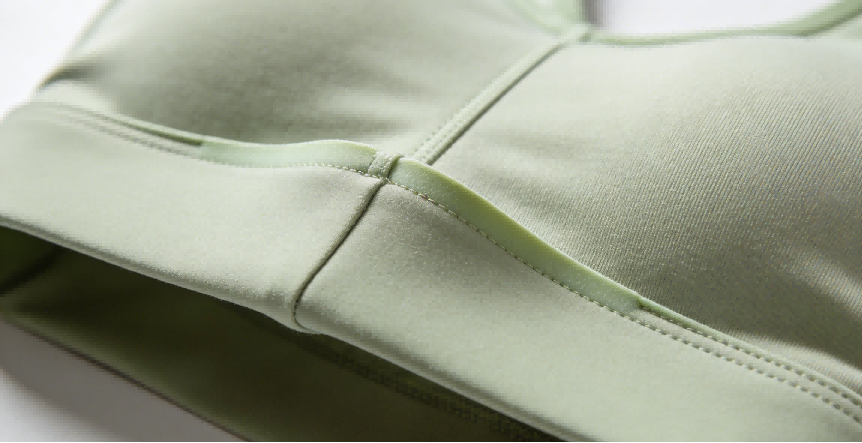
How it works: Uses heat/adhesive tape to fuse fabric (no thread).
Best for: Premium activewear (e.g., Lululemon’s Align leggings—seamless-like smoothness).
Feel: Invisible, zero-friction seams (ideal for yoga or skin-tight pieces).
Catch: More expensive (adhesive materials + specialized machines) and less repairable than stitched seams.
- Laser Cutting: Elevate the “Luxury” Vibe
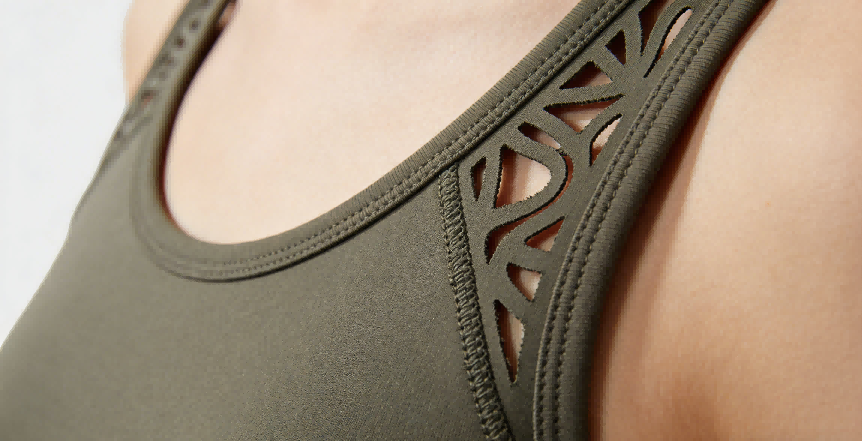
How it works: Uses a high-precision laser to cut fabric (instead of scissors)—creates clean, sharp edges (no fraying) and intricate details (e.g., cut-outs, lace-like patterns).
Why brands love it: Alo Yoga uses laser-cut hems on its tops for a “polished, intentional” look; it also reduces fabric waste (lasers cut multiple layers at once).
Impact on performance: Clean edges prevent snags during movement; precise cuts ensure consistent fit across sizes.
- Brand Examples: Who Uses What?
| Brand | Key Techniques | Why It Works |
| Lululemon | Bonding + Laser Cutting | Smooth seams (Align line) + sharp details (define fit) |
| Alo Yoga | Laser-cut hems + Bonded seams | Luxury aesthetic + zero-friction feel |
| Budget Labels (e.g., Old Navy) | Overlock Stitching | Affordable, durable for casual workouts |
- How Techniques Affect Price & MOQ
Price: Bonding (2x cost of stitching) > Laser Cutting (adds 15-20% to production) > Stitching (most budget-friendly).
MOQ (Minimum Order Quantity): Bonding/laser cutting require high MOQs (500+ pieces, due to specialized machines); stitching works for small batches (100+ pieces).
- YOTEX’s Craft Capabilities
YOTEX offers end-to-end activewear production with:
Stitching: Flatlock/Overlock for durable, budget-friendly lines.
Bonding: Premium adhesive tech (matches Lululemon’s smooth finish).
Laser Cutting: High-precision cuts for intricate designs.
Conclusion
Stitching = reliable & budget-friendly; Bonding = smooth & premium; Laser Cutting = sharp & luxurious. The next time you shop activewear, check the seams—they’ll tell you exactly what you’re paying for.